
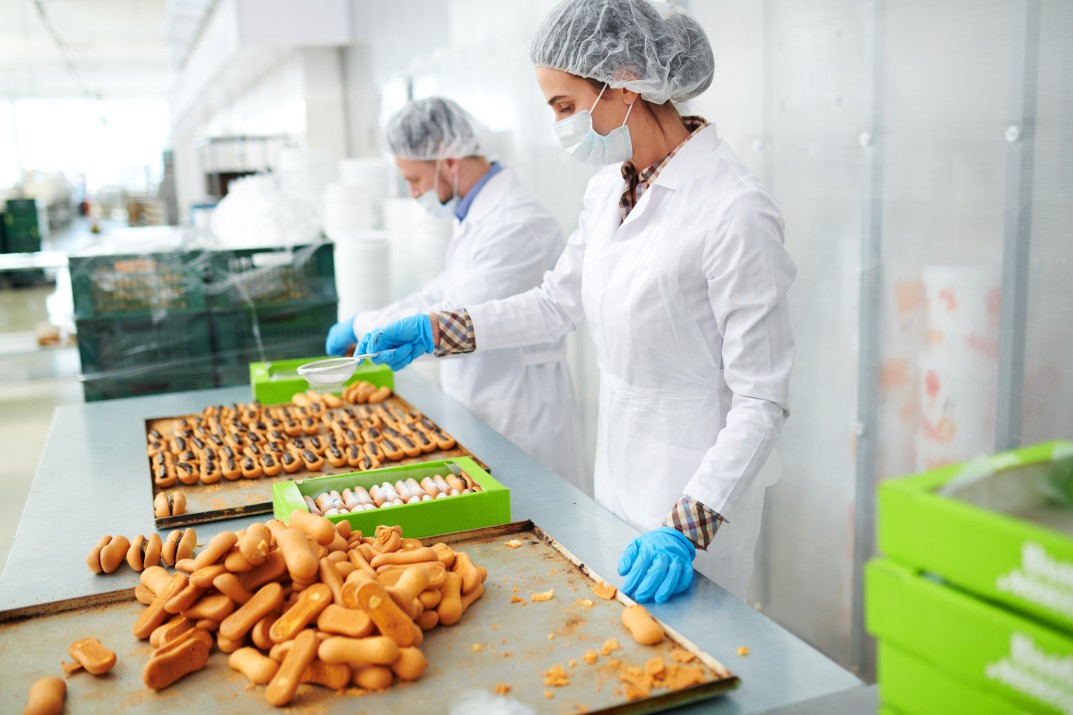
The food manufacturing sector remains one of Ontario’s most reliable employment industries in 2026, offering steady work, diverse roles, and long-term growth opportunities. From large-scale processing plants to specialized production facilities, food manufacturing jobs in Ontario continue to attract newcomers, experienced workers, and those seeking career stability. However, success in this field depends heavily on understanding safety expectations, daily work practices, and evolving workplace standards.
Food production environments move fast and operate under strict regulations. Employees who stay informed, follow safety guidelines, and develop smart work habits not only protect themselves but also contribute to higher-quality products and stronger team performance.
Understanding the Food Manufacturing Work Environment
Food manufacturing workplaces are structured, regulated, and highly focused on hygiene. Employees may handle raw ingredients, operate machinery, package finished goods, or monitor quality control systems. Shifts often involve standing for long hours, repetitive motions, and working in temperature-controlled environments such as cold storage or warm production areas.
In 2026, automation plays a larger role, but human attention remains essential. Workers must stay alert, communicate clearly, and follow procedures precisely. For anyone considering food manufacturing jobs in Ontario, understanding this structured environment early helps build confidence and adaptability on the job.
Core Safety Standards Every Worker Must Follow
Safety is not optional in food manufacturing—it is a daily responsibility. Ontario’s food facilities follow provincial labour laws, federal food safety regulations, and internal compliance standards. Employees are trained to wear personal protective equipment such as gloves, hairnets, masks, and protective footwear at all times.
Machine safety is equally critical. Lockout and tagout procedures prevent accidental equipment startup during cleaning or maintenance. Workers must never bypass guards or safety switches, even during high-demand production periods. Adhering to these practices ensures that food manufacturing jobs in Ontario remain safe, compliant, and productive for everyone involved.
Hygiene and Sanitation Responsibilities
Cleanliness is the backbone of food manufacturing. Workers are expected to follow strict handwashing routines, sanitation schedules, and contamination prevention protocols. Even minor lapses can compromise food safety and lead to costly production delays.
Facilities conduct frequent inspections, and employees play a key role in maintaining standards. Reporting spills, damaged packaging, or equipment issues immediately is encouraged. When sanitation becomes a shared responsibility, workplaces function smoothly and consistently meet regulatory expectations.
Smart Work Habits That Reduce Injury
Injuries in food manufacturing often result from fatigue, repetitive strain, or improper lifting techniques. Smart workers pace themselves, take scheduled breaks seriously, and use mechanical aids whenever possible. Learning correct lifting posture and workstation ergonomics can significantly reduce strain over time.
Rotation between tasks is another common practice in modern plants. It prevents muscle overuse and keeps employees mentally engaged. These habits are increasingly emphasized across food manufacturing jobs in Ontario, reflecting a growing commitment to long-term worker wellbeing.
Training, Skills, and Career Readiness
Most food manufacturing employers provide on-the-job training, but workers who actively engage in learning progress faster. Understanding equipment basics, quality standards, and workplace communication protocols can open doors to supervisory or specialized roles.
Certifications in food safety, WHMIS, or forklift operation add value and flexibility. As facilities evolve with new technologies, adaptable workers with strong safety awareness become indispensable. Investing time in skill development strengthens job security and future growth within food manufacturing jobs in Ontario.
Mental Focus and Team Communication
Food manufacturing relies on teamwork. Clear communication during shift changes, production adjustments, or safety incidents keeps operations running efficiently. Workers are encouraged to speak up if they notice risks or feel uncertain about a task.
Mental focus is just as important as physical readiness. Fatigue, distractions, or rushing can lead to mistakes. Employers increasingly promote mental wellness, recognizing that alert and supported employees perform better and remain safer on the job.
What to Expect in 2026 and Beyond
Looking ahead, Ontario’s food manufacturing sector continues to grow alongside population demand and export opportunities. Automation will support efficiency, but human oversight remains essential. Workers who embrace safety culture, adaptability, and continuous learning will thrive.
As regulations evolve and technology advances, food manufacturing jobs in Ontario will continue offering stable employment for individuals committed to responsible, high-quality work in a regulated environment.
Build Your Future with Capital Joblink
If you are ready to step into a reliable, safety-focused career, Capital Joblink is here to help. We connect motivated individuals with trusted employers across Ontario’s food manufacturing sector. Reach out today and take the next confident step toward meaningful, steady work.