
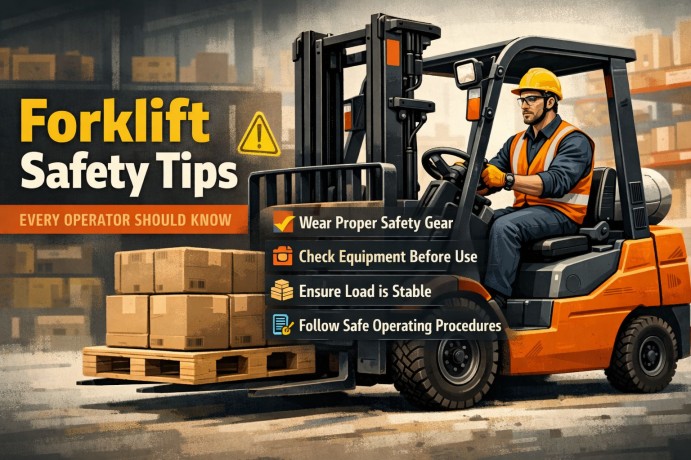
Forklifts are essential machines in warehouses, factories, construction sites, and distribution centres across Canada. They improve efficiency, reduce manual labour, and keep supply chains moving. However, when handled improperly, forklifts can also become a serious safety hazard. For individuals exploring Forklift Operator jobs in Ontario, understanding and practising proper safety procedures is not just recommended—it is essential for long-term career success.
Understanding the Importance of Forklift Safety
Forklifts are powerful industrial vehicles designed to lift and transport heavy loads. Even at low speeds, a forklift accident can result in severe injuries, property damage, or fatalities. Safety is not only about protecting yourself but also about safeguarding coworkers, equipment, and inventory. A safety-first mindset helps create a responsible work culture and reduces downtime caused by accidents.
Proper Training and Certification
One of the most critical elements of forklift safety is professional training. Operators must receive formal instruction, hands-on practice, and evaluation before being allowed to operate a forklift independently. In Canada, employers are required to ensure operators are trained according to workplace safety standards. This training is especially valuable for candidates applying for Forklift Operator jobs in Ontario, as employers often prioritise certified professionals who understand both operational and safety requirements.
Training should cover equipment controls, load handling, stability principles, and hazard awareness. Refresher courses are also important, particularly when switching equipment types or returning after a long break.
Pre-Operation Equipment Inspections
Before starting any shift, operators should conduct a thorough inspection of the forklift. This includes checking brakes, steering, tyres, forks, lights, horns, and fluid levels. Any defects or unusual noises should be reported immediately. Operating faulty equipment significantly increases accident risks and may violate workplace safety regulations.
Routine inspections not only prevent accidents but also extend the lifespan of machinery, reducing maintenance costs for employers and downtime for operators.
Safe Operating Practices
Operating a forklift requires constant focus and controlled movements. Operators should always maintain safe speeds, especially when turning or driving on uneven surfaces. Loads must be carried low to the ground and tilted slightly backward for stability. Sudden stops, sharp turns, or overloading the forklift can easily cause tip-overs.
Maintaining clear visibility is equally important. If a load blocks your view, drive in reverse or use a spotter. These habits are strongly emphasised in professional environments offering Forklift Operator jobs in Ontario (3), where safety performance often impacts job retention and advancement.
Load Handling and Stability Awareness
Forklift stability depends on proper load placement and weight limits. Operators must understand the forklift’s load capacity and never exceed it. Loads should be evenly distributed, properly secured, and lifted smoothly. Unstable or oversized loads significantly increase the risk of tipping.
Understanding stability triangles, centre of gravity, and weight distribution allows operators to make better decisions during daily tasks and avoid preventable incidents.
Workplace Awareness and Pedestrian Safety
Forklift operators share workspaces with pedestrians, other vehicles, and equipment. Using horns at intersections, maintaining safe distances, and following designated travel paths are crucial safety practices. Operators should always remain alert to their surroundings and never assume others are aware of the forklift’s presence.
Clear communication, signage, and floor markings further enhance safety. Respecting pedestrian zones and yielding when required prevents collisions and builds trust among coworkers.
Operating in Different Environments
Different workplaces present different risks. Warehouses may have narrow aisles and high shelving, while outdoor worksites may involve slopes, weather conditions, or uneven ground. Operators must adjust their driving style accordingly. Wet or icy surfaces require slower speeds and longer stopping distances, particularly during Canadian winters.
Understanding environmental risks is often discussed during onboarding for Forklift Operator jobs in Ontario, as adaptability is a key skill employers seek.
Avoiding Common Unsafe Behaviours
Many forklift accidents occur due to complacency or shortcuts. Standing under raised forks, carrying passengers, using mobile phones while operating, or leaving a forklift unattended with raised forks are all unsafe practices. Operators should always park forklifts with forks flat on the ground, controls neutral, and keys removed.
Maintaining discipline and following standard operating procedures consistently helps reduce risks and demonstrates professionalism.
Health, Fatigue, and Personal Responsibility
Physical and mental readiness plays a significant role in safe forklift operation. Fatigue, stress, or illness can impair judgment and reaction time. Operators should take scheduled breaks, stay hydrated, and report if they are unfit to operate machinery.
Personal protective equipment such as safety boots, high-visibility clothing, and helmets should always be worn as required by the workplace.
Building a Long-Term Safe Career
Forklift safety is not just about avoiding accidents—it is about building a sustainable career. Safe operators are more likely to earn trust, receive better opportunities, and progress into supervisory roles. Employers value individuals who prioritise safety because it reflects reliability and responsibility.
Start Your Forklift Career with Capital Joblink
If you are looking to build a safe and rewarding career in material handling, Capital Joblink can help connect you with reputable employers across Ontario. Explore current opportunities, get career guidance, and take the next step toward stable employment with confidence—your future starts with safety and the right support.