
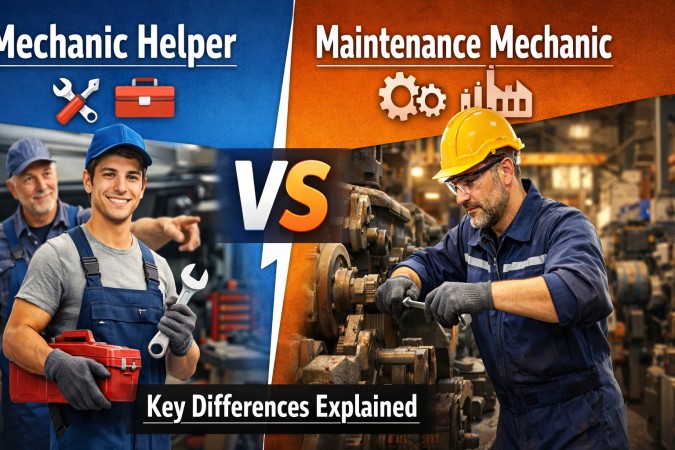
In Canada’s industrial, automotive, and manufacturing sectors, mechanical roles play a vital part in keeping operations running smoothly. Two positions that are often confused are mechanic helper and maintenance mechanic. While both support mechanical systems and equipment, their responsibilities, skill levels, and career paths differ significantly. For individuals exploring Mechanic helper jobs in Ontario, understanding these distinctions can help in choosing the right role and planning long-term career growth.
Understanding the Role of a Mechanic Helper
A mechanic helper is typically an entry-level position designed for individuals who are new to the mechanical field. This role focuses on assisting experienced mechanics with daily tasks rather than performing complex repairs independently. Mechanic helpers are commonly found in automotive workshops, industrial plants, fleet maintenance facilities, and construction environments.
Daily responsibilities often include fetching tools, cleaning parts, preparing work areas, holding components during repairs, and performing basic maintenance tasks under supervision. Mechanic helpers also help with inspections, fluid changes, and routine servicing. The role requires physical stamina, attention to detail, and a willingness to learn, as much of the knowledge is gained through hands-on experience.
This position is often the starting point for those who want to build foundational skills before advancing into more technical roles.
Understanding the Role of a Maintenance Mechanic
A maintenance mechanic, on the other hand, is a skilled professional responsible for inspecting, maintaining, troubleshooting, and repairing machinery and equipment. These mechanics work across various industries, including manufacturing plants, warehouses, food processing units, and large commercial facilities.
Their duties include diagnosing mechanical issues, repairing electrical and hydraulic systems, replacing worn components, and performing preventive maintenance to reduce downtime. Maintenance mechanics often work independently, follow detailed maintenance schedules, and ensure compliance with workplace safety standards.
Unlike mechanic helpers, maintenance mechanics are expected to have formal training, certifications, or apprenticeships, along with several years of hands-on experience.
Skill Level and Training Requirements
One of the key differences between these two roles lies in skill level and training. Mechanic helpers usually require minimal formal education. Many employers provide on-the-job training, making this role accessible to individuals with limited experience. This makes Mechanic helper jobs in Ontario appealing for newcomers to the trades or those transitioning from other industries.
Maintenance mechanics, however, are skilled tradespeople. They often complete technical programs, apprenticeships, or certifications in industrial maintenance, millwright work, or mechanical engineering technology. Their role demands a deeper understanding of mechanical systems, schematics, diagnostics, and safety protocols.
Scope of Responsibilities
Mechanic helpers primarily support tasks rather than lead them. Their responsibilities are narrower and focused on assisting rather than decision-making. They follow instructions closely and work under constant supervision.
Maintenance mechanics have a much broader scope. They are responsible for identifying problems, determining solutions, and executing repairs. They may also be involved in planning maintenance schedules, ordering parts, and training junior staff. The accountability level is significantly higher, as their work directly impacts operational efficiency and safety.
Tools, Equipment, and Technology
Both roles involve working with tools, but the complexity differs. Mechanic helpers use basic hand tools, cleaning equipment, and simple diagnostic aids. They are gradually introduced to more advanced tools as they gain experience.
Maintenance mechanics regularly use specialised diagnostic equipment, precision tools, and sometimes computer-based monitoring systems. They must be comfortable reading technical manuals, blueprints, and digital schematics, especially in automated or industrial environments.
Work Environment and Conditions
Mechanic helpers and maintenance mechanics may share similar work environments, such as workshops, factories, or outdoor job sites. However, maintenance mechanics are more likely to work shifts, be on-call, or respond to emergency breakdowns. Their role can involve higher pressure, particularly when equipment failures disrupt operations.
Mechanic helpers generally work scheduled hours and are less likely to be responsible for urgent repairs. This makes the role slightly less demanding in terms of stress, though it can still be physically challenging.
Salary Expectations and Career Growth
Compensation reflects the difference in responsibility and expertise. Mechanic helpers typically earn entry-level wages, which increase as skills improve. The real value of the role lies in experience gained, which opens doors to apprenticeships or advanced training.
Maintenance mechanics earn higher wages due to their technical skills and experience. They also have more stable long-term career prospects, with opportunities to move into supervisory, specialised, or management roles.
For many individuals, starting in Mechanic helper jobs in Ontario is a strategic step toward becoming a fully qualified maintenance mechanic.
Choosing the Right Path
Deciding between these roles depends on experience, career goals, and readiness for responsibility. If you are new to mechanical work and want hands-on exposure without heavy pressure, a mechanic helper role is ideal. If you already have training or aspire to a skilled trade with higher earning potential, the maintenance mechanic path may be more suitable.
Both roles are essential and respected within the industry, and one often serves as a gateway to the other.
Find the Right Mechanical Opportunity with Capital Joblink
Whether you are starting out as a mechanic helper or aiming to grow into a maintenance mechanic role, Capital Joblink connects job seekers with trusted employers across Ontario. Explore current openings, gain career guidance, and take the next step toward a stable and rewarding mechanical career today.